Find the sample name, the test method and the measured result on the lab report. Check the sample against the tile you plan to order. If rain will reach the floor, ask for a separate use classification for the finish.
Is 0.5% a limit or the actual result?
For porcelain tile, the Tile Council of North America sets out a maximum absorption of 0.5% under the ASTM C373 test. Look for the specimen and its measured result on the lab report. If a product sheet gives only “≤0.5%”, ask which sample was tested and request its report.
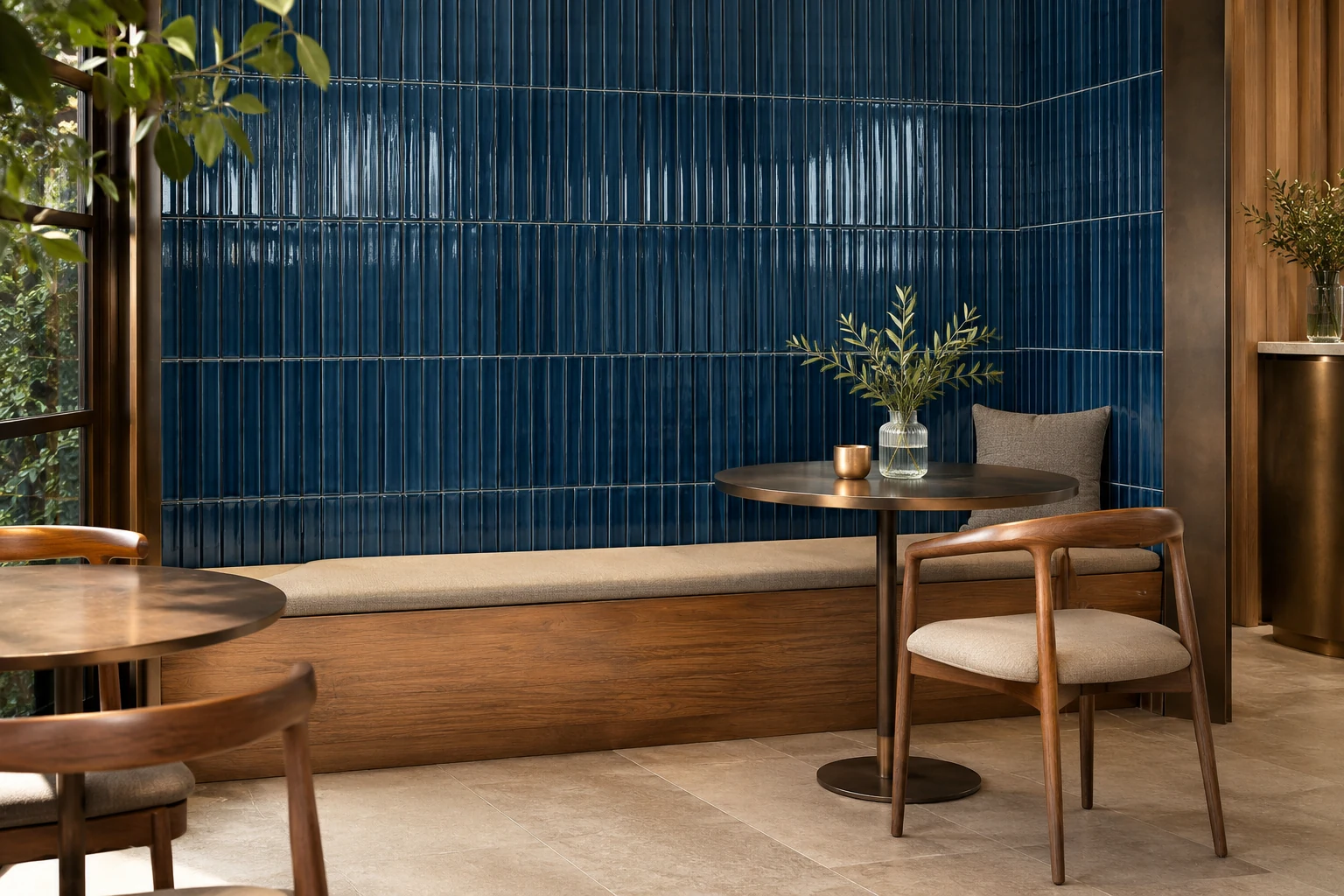
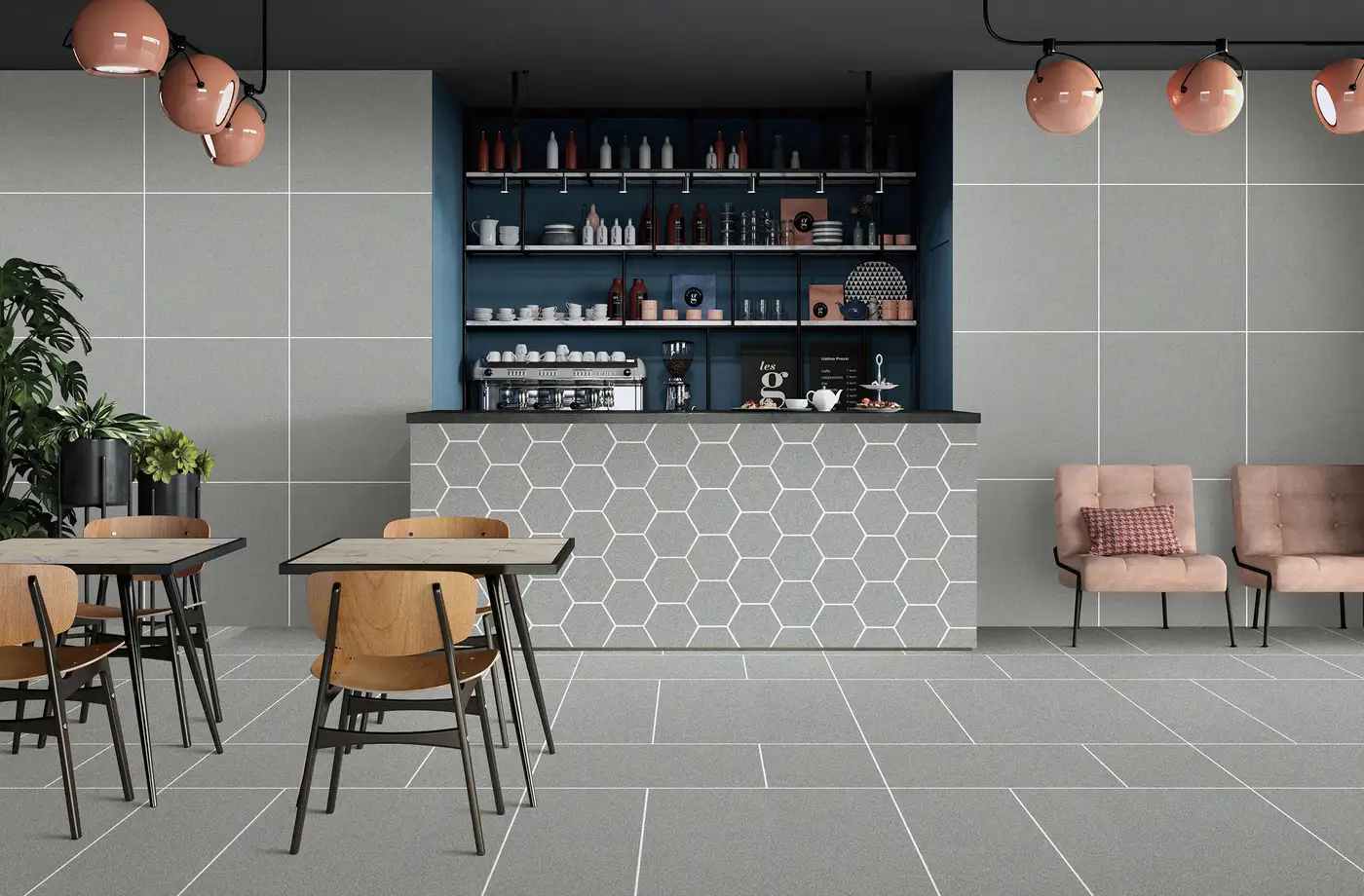
Suppose one report gives 0.4% and another gives 0.6%. The first result meets the absorption criterion. The second exceeds it. A result of exactly 0.5% is within the limit. These figures illustrate how to read a report and do not describe the pictured product.
The distributor uses a different item number. Does the report cover it?
If a supplier claims PTCA certification, check which series it covers. The PTCA application for certification lists each series separately and calls for representative samples from each. Seeing the right manufacturer’s name on a report still leaves a question about the item on your order.
For a private-label tile, ask the distributor to send its item number, the manufacturer’s series name and a photo of the carton label together. Have it identify the series on the certificate. If a substitute comes from a different series, request the evidence for that series before accepting it.
What else should you ask for if people track rain into the lobby?
Absorption tells you how much water the tile body takes up. For a floor where people track in rain, ask the manufacturer for the selected finish’s ANSI A326.3 product use classification. Tell the specifier where rain reaches the floor and how it will be cleaned. Record the approved finish alongside the series so a later change of finish prompts a fresh check.